%2520(1).png&w=3840&q=75)
The Agricultural Data Opportunity
Agriculture is one of the world's most data-rich industries, yet one of the least data-optimized. Every acre of farmland generates continuous streams of information: soil moisture levels, weather patterns, satellite imagery, equipment telemetry, market pricing, and supply chain logistics.
The organizations that connect these data streams across the entire crop lifecycle, from seed selection through final sale, gain significant advantages in yield, cost efficiency, and market timing.
Planting and Growing
Data-driven planting decisions start months before seeds go in the ground.
- Soil analysis combined with historical yield data identifies optimal seed varieties and planting densities for each field zone.
- Weather modeling informs planting timing, irrigation scheduling, and crop protection strategies.
- Satellite and drone imagery monitors crop health throughout the growing season, detecting stress indicators before they're visible to the human eye.
- IoT sensors provide real-time soil moisture, temperature, and nutrient data for precision irrigation and fertilization.
Harvest and Post-Harvest
Harvest timing directly impacts quality and profitability. Data analytics helps optimize the narrow window between peak ripeness and market delivery.
- Predictive harvest models forecast optimal harvest dates based on weather, crop maturity indicators, and market conditions.
- Equipment optimization routes harvesters efficiently across fields to minimize fuel costs and maximize daily throughput.
- Storage and logistics analytics ensure harvested crops move through the cold chain efficiently, reducing spoilage and transportation costs.
Market and Distribution
Connecting production data to market intelligence closes the loop on the crop cycle.
- Price forecasting models help producers time their sales for maximum revenue.
- Supply chain visibility tracks product from field to retail, meeting traceability requirements and consumer demand for transparency.
- Demand planning aligns production volumes with projected market needs across multiple channels and geographies.
The Technology Foundation
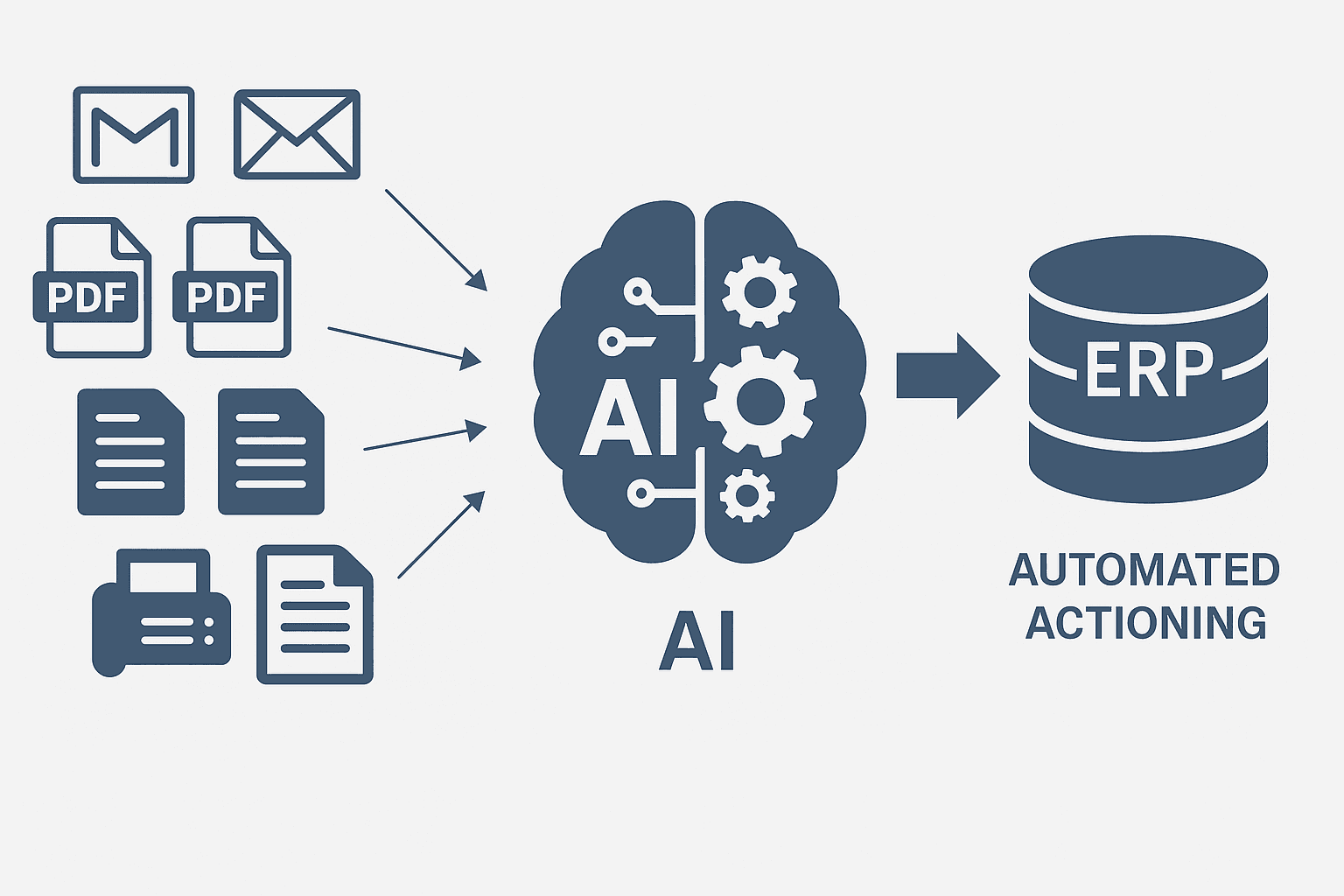
Effective agricultural analytics requires a data platform that can ingest diverse data types at scale: structured data from ERP systems like SAP, semi-structured IoT sensor feeds, unstructured satellite imagery, and external market data. Cloud platforms like Google BigQuery provide the compute power to process these diverse datasets, while SAP Datasphere connects the operational and analytical layers.
Comerit works with agricultural enterprises to build these integrated data platforms. Contact us at info@comerit.com to discuss your agricultural data strategy.

%2520(1).png&w=3840&q=75)
.png&w=3840&q=75)
.png&w=3840&q=75)
